LAURA Students
Cohort 2
Mathilde Bauer
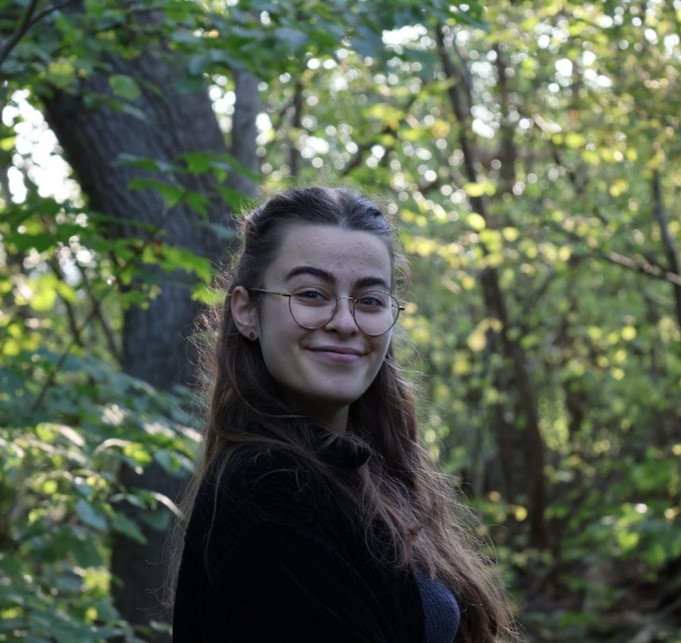
Mathilde’s PhD research focuses on affective profiles of decreased sound tolerance, specifically misophonia and hyperacusis. She is interested in the way sound affects emotions and wellbeing and hopes her research will aid in finding coping mechanisms and therapies for decreased sound tolerance sufferers. She has always loved sound- an avid music lover, she played the flute for her school band and sang in shows and charity events. Her interest in sound goes further than music- as a noise sensitive individual, she is fascinated by the way in which sound impacts wellbeing and daily social interactions.
She holds a bachelor’s in psychology with a minor in music studies from the University of Sussex, and a masters in cognitive neuroscience from University College London (UCL). She has completed a placement year at the University of Sussex, in which she has worked as a research assistant exploring perceptual differences (synaesthesia and misophonia) at both behavioural and neural levels (MRI). Her master’s dissertation explored sound pleasantness and visual imagery. See Mathilde’s previous work and publications: www.linkedin.com/in/mathilde-bauer
Paula Schneider
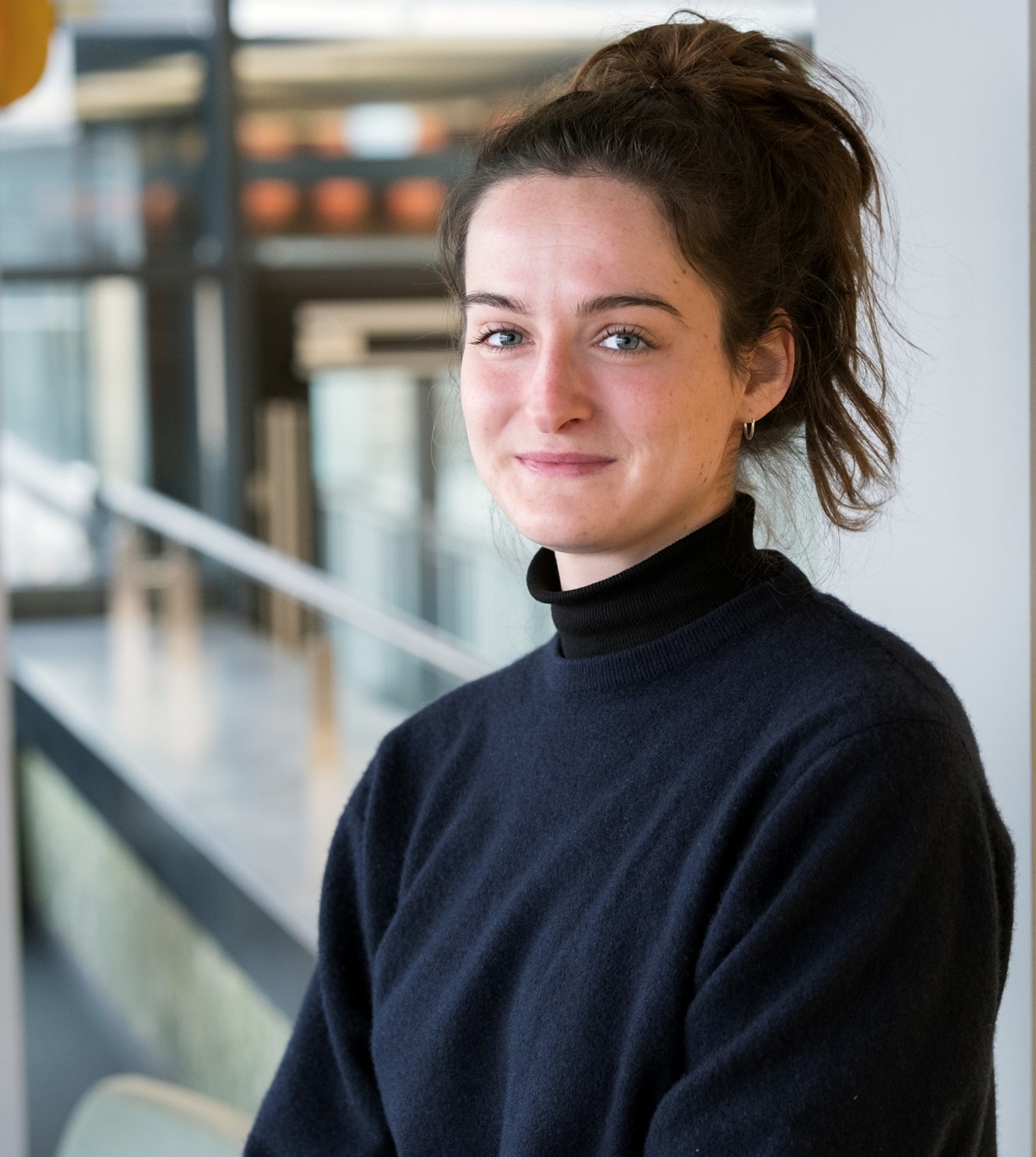
Paula Schneider is a PhD student in the second LAURA cohort. Her research focuses on autistic listening and sensory processing, particularly noise sensitivity and speech-in-noise perception. She aims to investigate the mechanisms underlying differences in listening to sounds amidst background noise in autistic individuals. Her work seeks to contribute to a shift away from deficit-based views of autism, emphasizing instead the strengths of neurodiverse perception.
Paula holds a B.Sc. in Psychology from the University of Potsdam and an M.Sc. in Psychology with a focus on brain and behaviour from the University of Leipzig. During her Master’s studies, she specialized in auditory perception and now integrates this knowledge with research on neurodiversity. Drawing on her own experiences of noise sensitivity, Paula is dedicated to fostering research that supports aural diversity, neurodiversity, and raising awareness of both in daily life.
Neesa Suncheuri Sunar
Neesa Suncheuri Sunar conducts research examining the lived experiences of musicians with auditory aphantasia, ie “silent mind.” Her work investigates how musical concepts and teaching approaches relying on mental imagery may be inaccessible to aphantasic learners. She therefore seeks to identify adaptive pedagogical strategies that engage aphantasic students in practical and resonant ways. Through her research, she aims to contribute to the development of more inclusive approaches to musical learning and performance. A native of New York City, Neesa brings an interdisciplinary background in music performance, violin and viola pedagogy, and classroom music education, alongside professional expertise in clinical social work and psychotherapy within the New York City public mental health sector. She herself has total aphantasia.
You can read about Neesa’s current work here: https://laura.salford.ac.uk/news/survey-of-auditory-imagery-in-musicians/
ORCID profile: https://orcid.org/0009-0009-5740-6160
LinkedIn: https://www.linkedin.com/in/neesasunar/
Safiye Sena Dökmeci
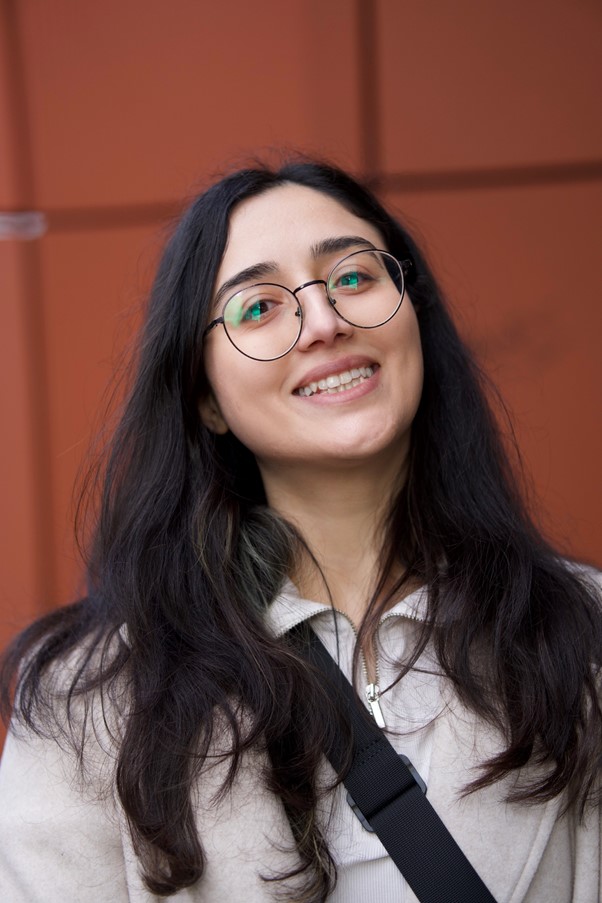
Sena is a PhD researcher at University of Salford. Her research focuses on voice perception and vocal expression in autism. She is particularly interested in how voices are perceived differently across individuals and how this relates to the double empathy problem and neurodiversity.
She is also personally interested in voice and music, and enjoys discovering different vocal styles and techniques. She is currently working on improving her own vocal expression as well.
She holds a BA in Psychology and an MSc in Clinical Child and Adolescent Psychology. She has clinical experience working with children and adults from diverse backgrounds. She brings together her clinical and research experience to understand how voices shape everyday social interaction.
Ingrid Plum
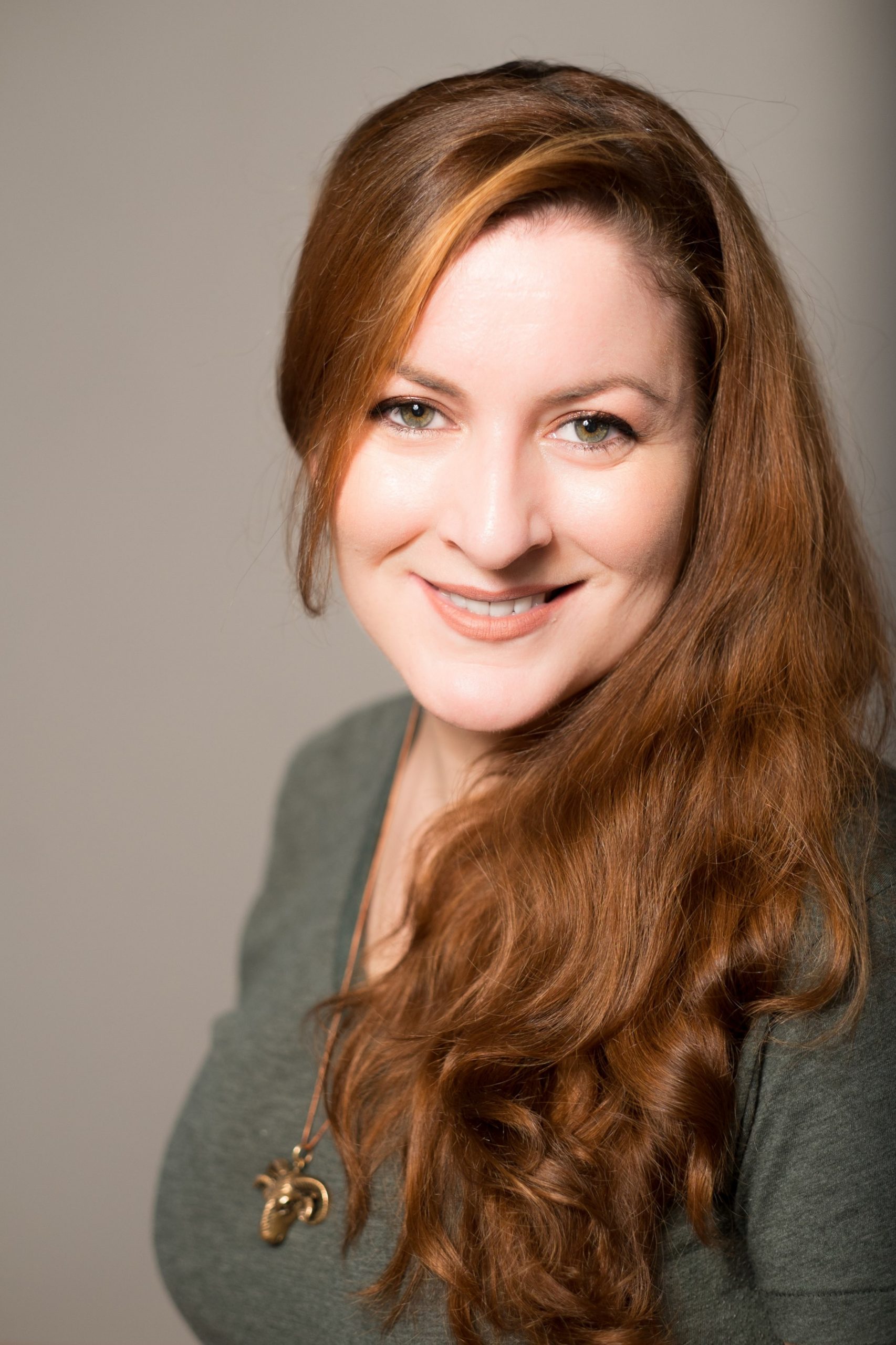
Ingrid’s practice-based research for LAURA is invested in contributing to a deeper understanding of accessibility in Sound and Music and is supported by Drake Music. Ingrid is exploring the intersection of disciplines between aural diversity, participatory choral composition and emergent technologies.
As a composer Ingrid’s work has been played by Late Junction on BBC Radio 3, where they were also invited to perform in session at Maida Vale Studios. Ingrid took part in BBC Radio 4’s New Weird Britain and was commissioned to compose and perform a new work for International Womens Day 2019 for The Verb on BBC Radio 3.
Ingrid completed a Visiting Research Fellowship working with the Lily Greenham Archive at Goldsmiths, University of London, in 2023, and presented the resulting work “Corporeality” at the What Sounds Do conference at the University of Copenhagen, described by the Quietus as “Plum makes the metaphysical singable, the immense relatable… blurs auto-theory, the mixing of the philosophical with the personal, and psychogeography, the influence of environment on the psyche.”
Ingrid’s practice based research has included workshops and presentations for the CHASE funded Auraldiversities series at Goldsmiths, Soundscape Composition workshops for the NHS Recovery College/Paul Hamlyn Foundation, Activating Inclusive Sound Spaces conference at the University of Huddersfield, and Wild Energies symposium with CRiSAP. Ingrid’s publication ‘Taut: Investigations into Contemporary Composition’ funded by Arts Council England and developed after studying with Meredith Monk, has been taught in curricula at Mills College, Goldsmiths, the University of Brighton and Queen’s University Belfast.
Noa Nishizawa
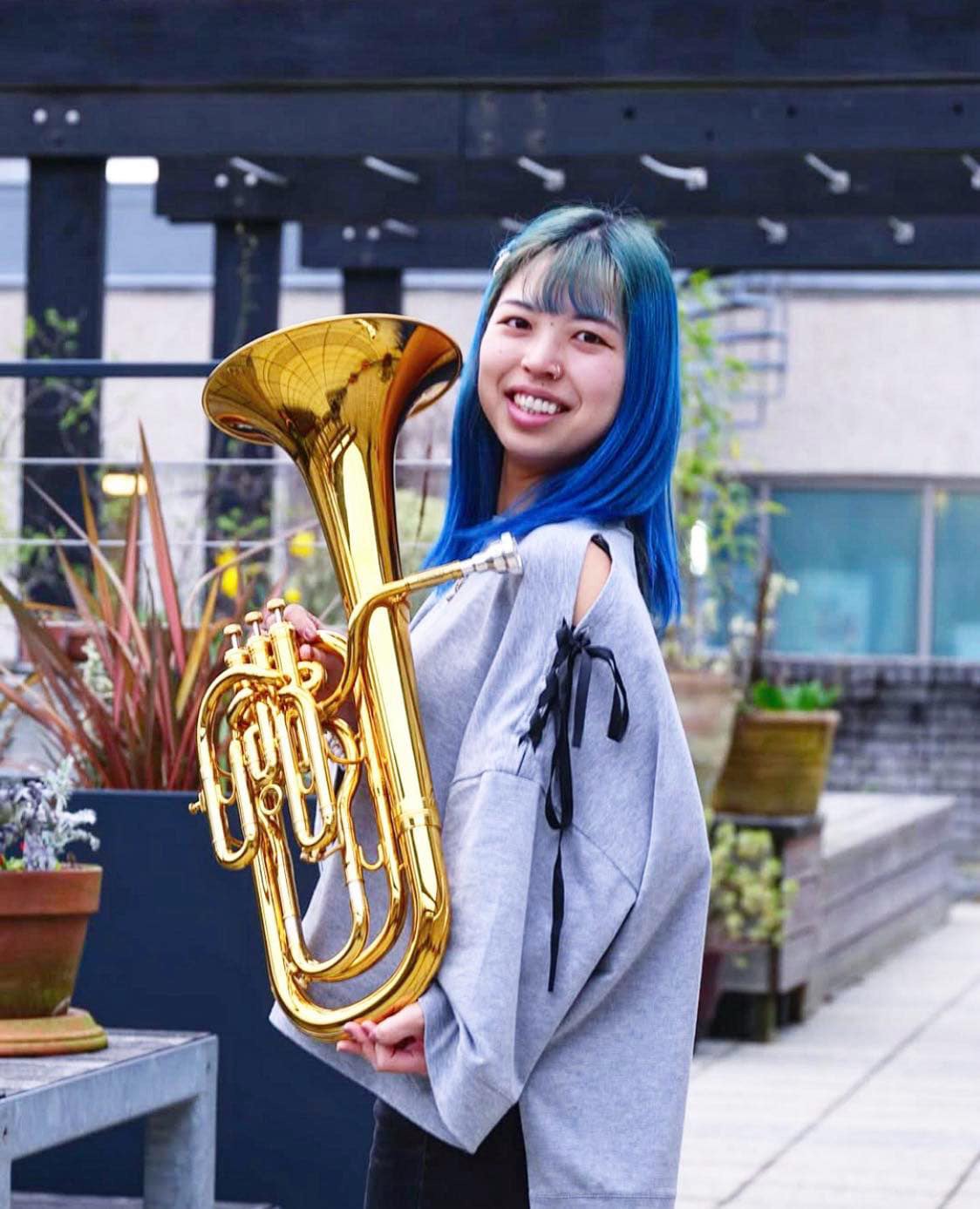
Noa Nishizawa is a professional brass player with hearing impairment and an artistic researcher based in Manchester, United Kingdom.
She graduated with a First-Class Bachelor of Music with Honours in 2024 and completed her Master of Music in Artistic Research and Performance with Distinction. Her studies were supported by numerous scholarships, including the Wolfson Trust Award and the Lucy Hale Award, which enabled her to purchase her own professional instruments.
She is now completing PhD as an artistic researcher at the University of Salford, at the Leverhulme Aural Diversity Doctoral Research Hub (LAURA). Her PhD explores how visual elements in brass ensemble performance can enhance the musical experience of musicians with hearing loss. Outside of the university, she works as a Student Representative of Royal Musical Association.
Alongside her research, Noa is an active professional performer: she plays in top-section brass bands, works with Steven Mead’s Euphoniumstore, the Japan Brass Band Association in social marketing, runs a YouTube channel (Bandsman Life in UK) and weekly podcast (Bandsman’s Radio), and organises online events for brass band players in Japan. In summer 2024, she hosted her first Asia Tour, visiting brass bands in Osaka and Tokyo, leading open rehearsals, giving two solo recitals, and holding the first baritone horn masterclass in Japan as well as performing in Hong Kong and South Korea. She is also a dedicated chamber musician: her brass–percussion duo Sakura Drops Duo, with Sharon Fung, was selected for the RNCM External Chamber Music Scheme and recently made its Bridgewater Hall debut and Hong Kong debut. Beyond music, she holds a professor licence in Japanese calligraphy.
As a musician with profound bilateral hearing loss (completely deaf in her right ear and with only profound loss in her left), Noa challenges conventional assumptions about music and disability. Rather than treating hearing loss as a limitation, she views it as part of her artistic identity. Her performance and research demonstrate that hearing loss does not exclude people from being musicians. Her project “Can You See the Sound?” has been recognised through the RNCM Creative Innovator Award and the Yamaha Entrepreneurship Award, with which she created inclusive music workshops for people with hearing loss.
Cohort 1
Silvia Castellano
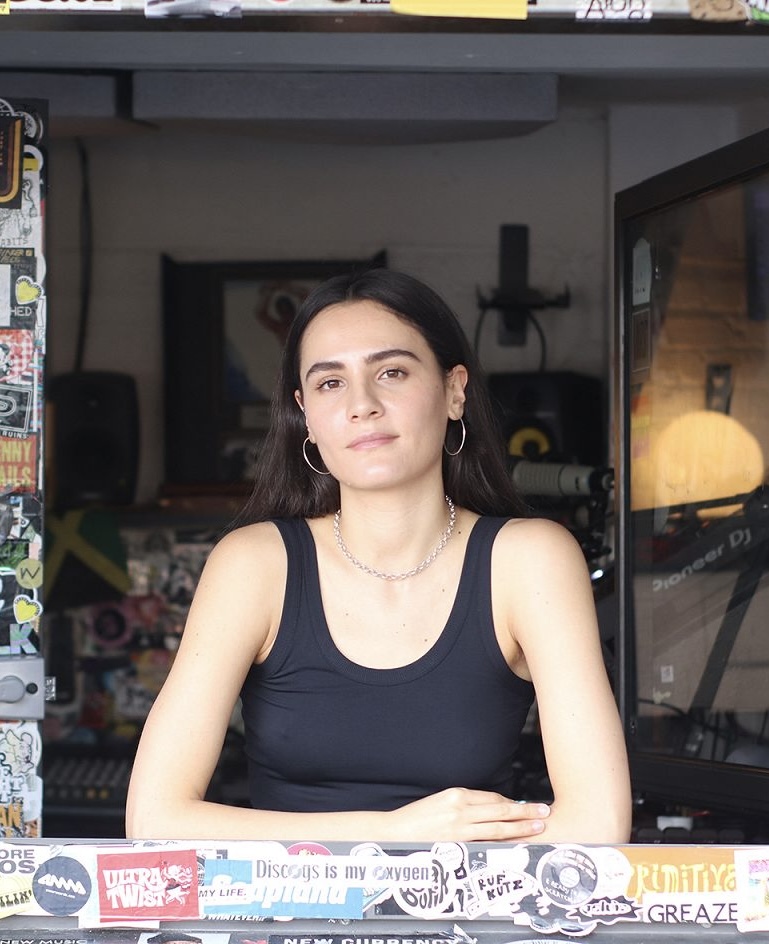
My background is in psychology, neuroscience of music and sound engineering. Since my teenage years, I make music and host a radio show. My PhD research adopts a transdiagnostic, neurodiversity-affirmative perspective to explore natural variations in cognition and behaviour in adults with and without diagnoses of ADHD and autism. More specifically, I focus on how people experience, perceive and engage with music: what they listen to, music-induced emotions, how they use music in daily life. Leveraging data-driven approaches, my PhD aims to better understand complexity and heterogeneity in neurodiverse listeners.
My methods involve machine learning and advanced statistics to identify latent groups (neurotypes) that cut across traditional diagnostic boundaries. Using Music Information Retrieval, I then analyse how the music’s characteristics inform each unique cognitive profile. Finally, I use EEG to study brain activity across neurotypes, namely how it relates to subjective emotions, expectations and the pleasure derived from music.
Xsara Helmi

Xsara is a musician, flautist, singer-songwriter, broadcaster, educator, and PhD researcher at the University of Salford within the Leverhulme Aural Diversity Doctoral Research Hub (LAURA).
She was awarded the competitive BAFTA Reuben Scholarship to undertake an MA in Filmmaking (Screen Documentary) at Goldsmiths, University of London, where she was granted Honorary MA Radio Student status. She also holds a PGCert in Child & Adolescent Psychotherapeutic Counselling from the University of Cambridge, a PGCE from the University of Greenwich, studied a BA in Sociology from Goldsmiths, University of London, and also Millinery.
Prior to doctoral study, Xsara established an independent career in music and broadcasting. As a recording and performing artist, she created and hosted an award-winning radio programme championing UK independent artists, securing sponsorship from the Association of Independent Music and IK Multimedia. Her music has featured on BBC Introducing and SKY TV; she has hosted at BBC Introducing Live alongside Annie Mac, Huw Stephens, and Steve Lamacq; and she contributed to a live broadcast from CNN’s 24-hour newsroom.
Her doctoral research develops transdisciplinary, arts practice-led methodologies that reconceptualise neurodivergent auditory perception. Working across musical performance, vocal practice, poetry, and moving-image experimentation, she advances embodied and relational models of listening that challenge dominant disembodied paradigms of sound and knowledge production. She positions hybridity as method — treating the blending of paradigms as a deliberate artistic and epistemic intervention.
Paul Magrath
I am a doctoral researcher in the Leverhulme Trust Aural Diversity Doctoral Research Hub at the University of Salford. My research explores aural diversity, examining how different listener groups perceive and interpret acoustic environments, with particular attention to neurodivergent listening profiles, including ADHD and autism. My work focuses on soundscape perception and psychoacoustics, investigating how listeners interpret environmental sounds in terms of pleasantness and eventfulness.
During my MSc in Mindfulness at the University of Aberdeen, my research examined the psychoacoustic role of background sound during meditation and how auditory environments may support attentional engagement in individuals with ADHD. My broader interests include soundscape perception, spatial audio, auditory attention, mindfulness, and inclusive approaches to acoustic environment design.
Lorenzo Bonoldi
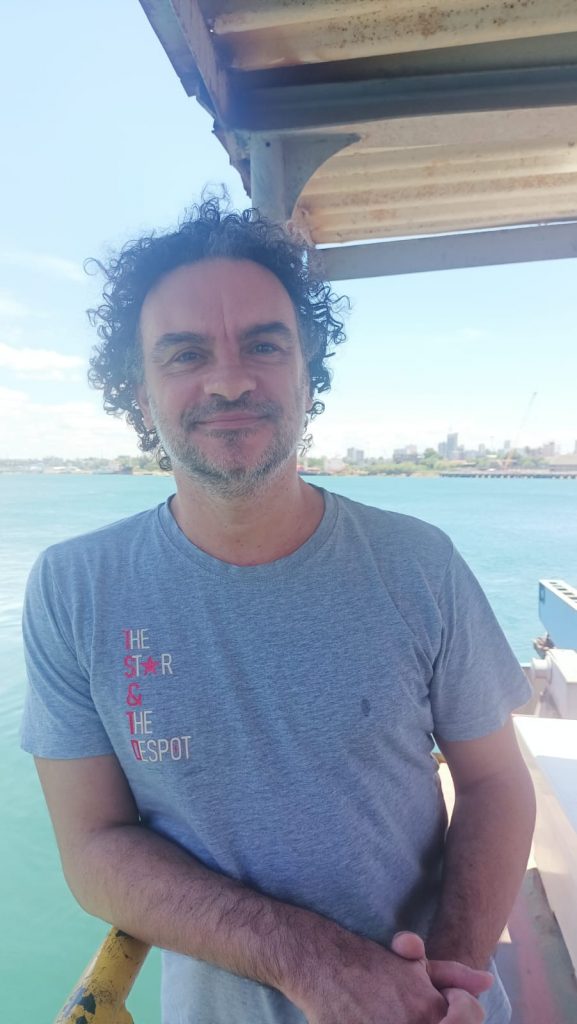
I hold a Bachelor of Arts (Hons) in Product Design, a Master’s degree in Popular Music Practice and a postgraduate Diploma in Acoustics and Noise control. My professional career has been marked by diverse roles, including CAD designer and CAD/CAM CNC programmer. In the last twenty years, I was involved in various roles, from designing music equipment for classical orchestras to state-of-the-art music studios. As an acoustic engineer and a member of the Institute of Acoustics, my projects include the RNCM modular theatre, the Marshall Amplification control room, the RCM rehearsal rooms, and the SARM Studios recording rooms.
My PhD research, originated from my passion for music and a commitment to improving the lives of those affected by hearing impairments, is centered on the critical issue of hearing loss among music producers, a challenge faced by many in the industry. My work aims to develop innovative solutions, ensuring that audio engineers can continue to create and enjoy music despite the obstacles presented by their hearing health.
When I’m not immersed in my work, I enjoy playing the guitar and bass and composing cross genre music. Recently, I spent a year in Kenya. This experience reconnected me to the cultural importance of music and performance in communities across the world, a fact often ignored in the digital media platform age.
Addie Beckwith
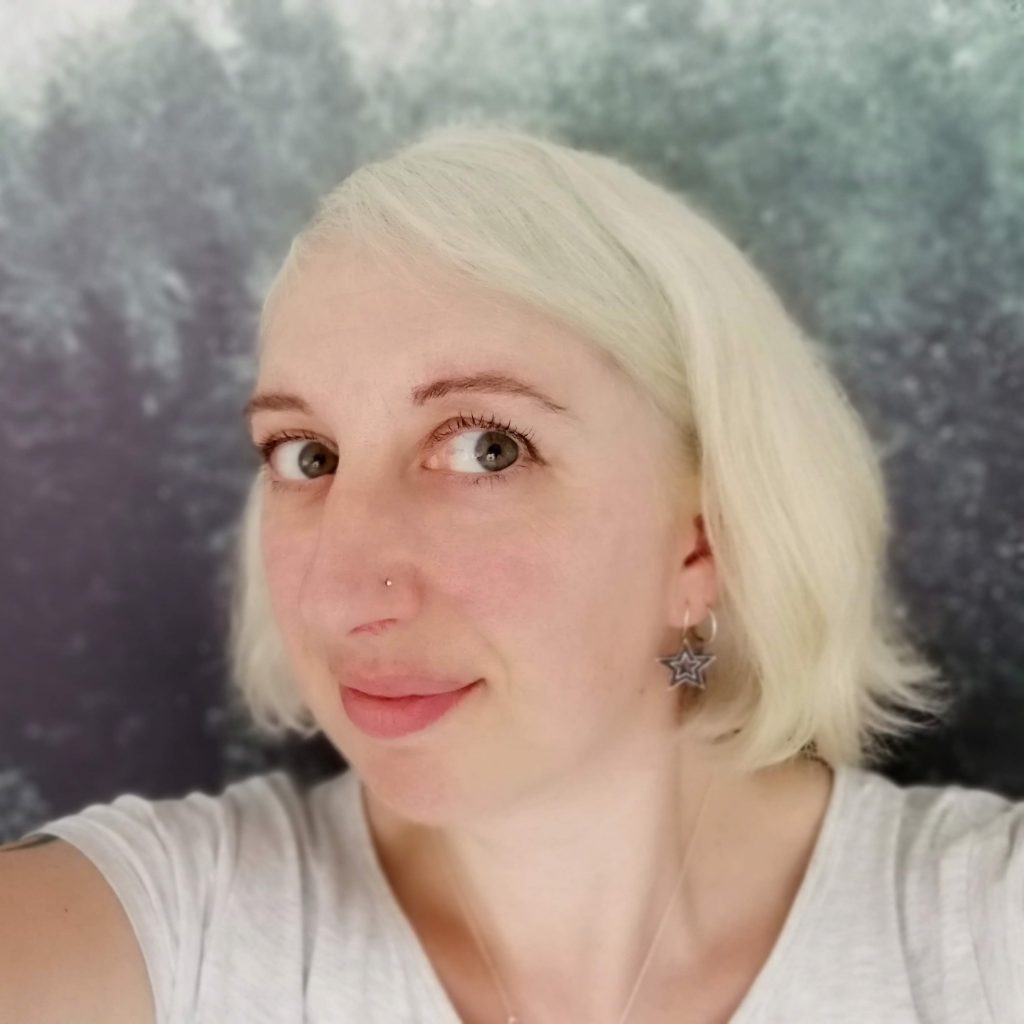
Addie’s PhD research is focused on aural diversity, sensory emotion regulation, and mental health. In particular, she is interested in the use of music to promote positive mental health, psychological wellbeing, and to improve the quality of life for people experiencing hearing loss. She has always loved music – whether playing an instrument in the school orchestra, attending gigs, or just adding to her ever-growing vinyl collection and digital playlists – and also has personal experience of hearing loss.
Addie has 15 years’ experience within the NHS across various mental health services. Following completion of her BSc in Forensic Psychology, Addie qualified as an Associate Psychological Practitioner and worked in several primary care networks (clusters of GP surgeries) across Lancashire and South Cumbria supporting people with their mental health and wellbeing. She also completed an MSc in Psychology and Learning Disabilities and her dissertation was around the experiences of autistic adults accessing mental health services. More recently, Addie has worked as a research assistant supporting clinical trials within an NHS trust’s research and development department – this experience provided her with a good foundation on which to build her own research.
Addie is dedicated to utilising her skills and knowledge to promote positive mental health, to support underserved communities, and to ensure that mental health services are accessible to everyone. Her work is deeply rooted in a commitment to creating meaningful change within the mental health landscape. She is passionate about advancing research focussing on improving mental health outcomes for underrepresented communities.
Steven Mitchell
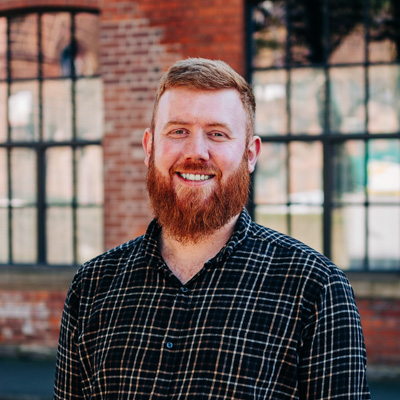
Steven is looking at the integration of loudness discomfort levels into equal loudness level contours to characterize auditory sensitivity in autistic adults. After graduating from the University of Derby with a master’s degree in applied acoustics and an Institute of Acoustics post-graduate diploma in acoustics and noise control, Steven has worked as an occupation hygienist and acoustic consultant from 2020.
Steven’s experience as an acoustic consultant has primarily been focused on environmental noise and vibration assessments for construction, industrial, road traffic, rail and utility as well as occupational noise assessments focusing on the impact of noise on workers in different environments. In early 2024, Steven was diagnosed with ADHD and Autism which has led to his research into aural diversity, specifically how acoustic assessments can be adapted for people who are noise sensitive.
Recently Steven has given talks at the Aural Diversity Conference, the Institute of Acoustics Annual Conference and was a finalist in the SPARC 3-Minute-Thesis competition.